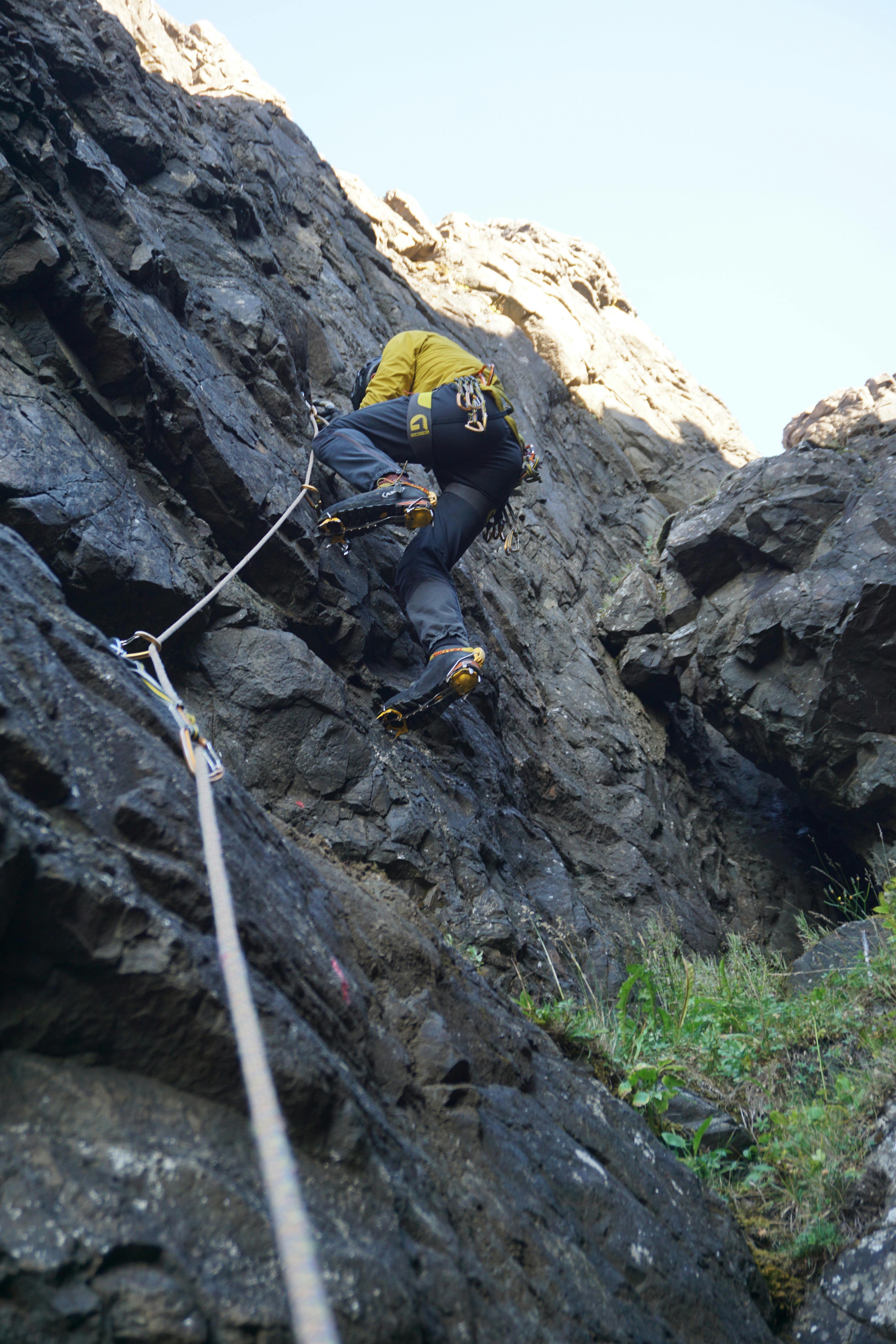
Drytooling beginner
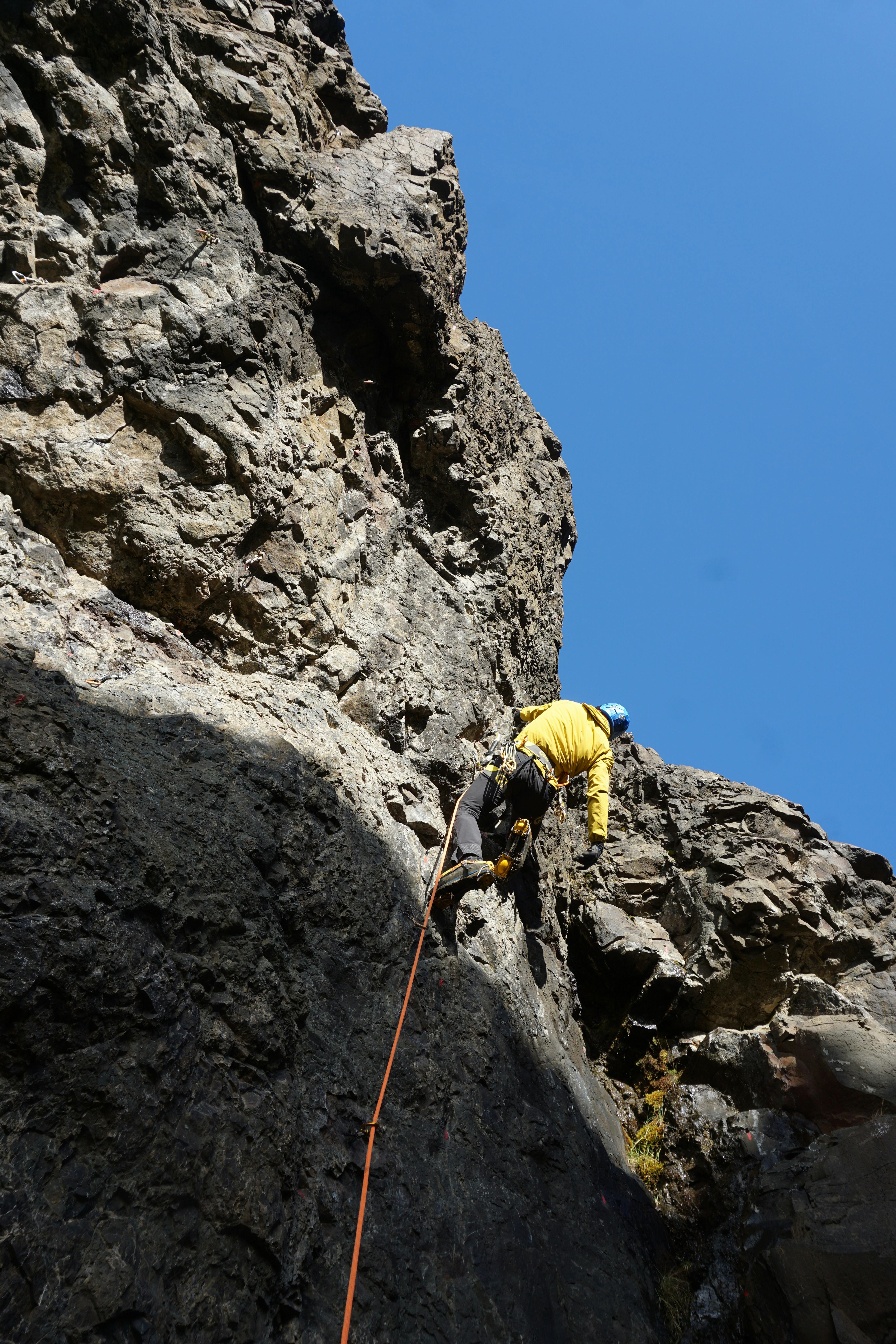
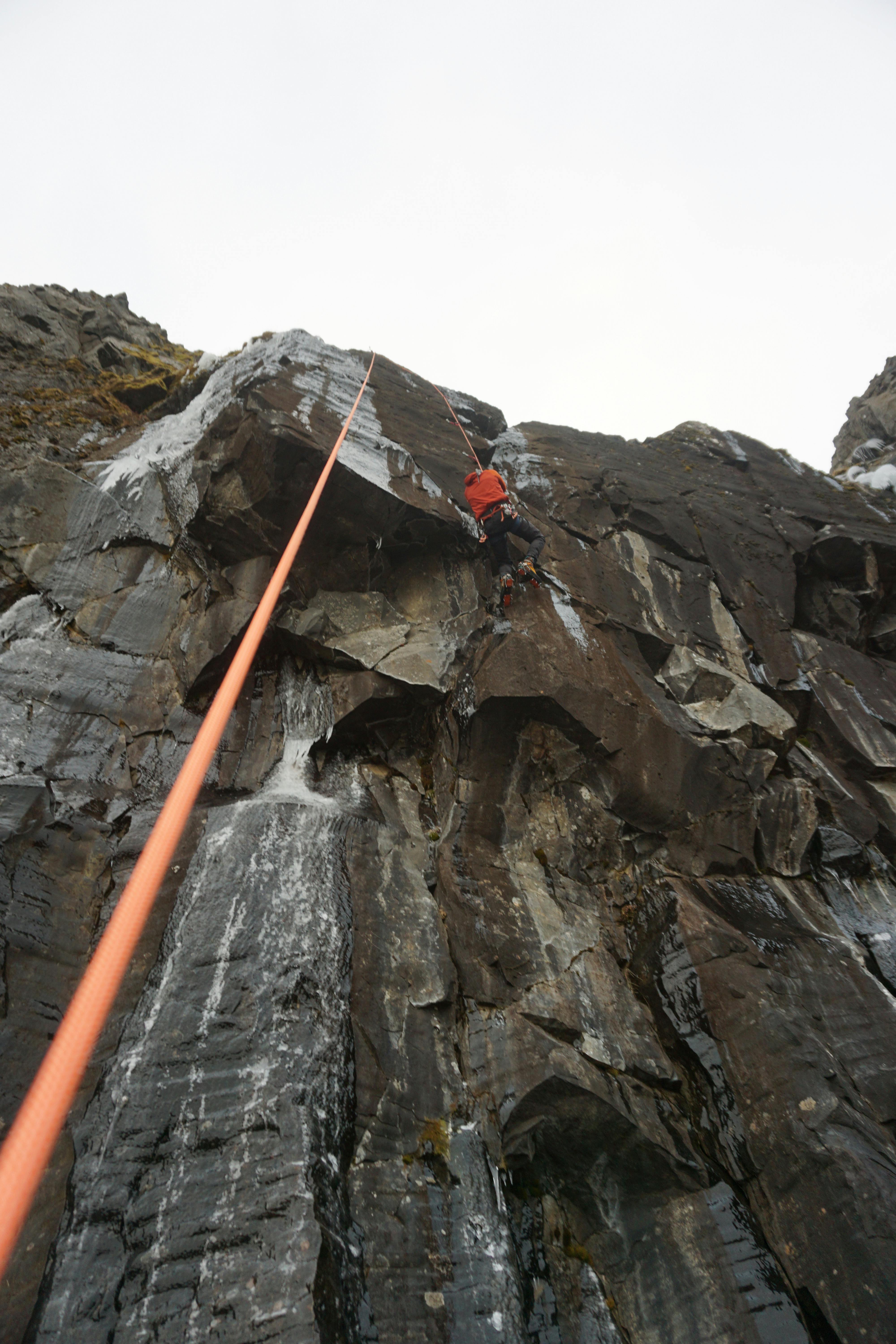
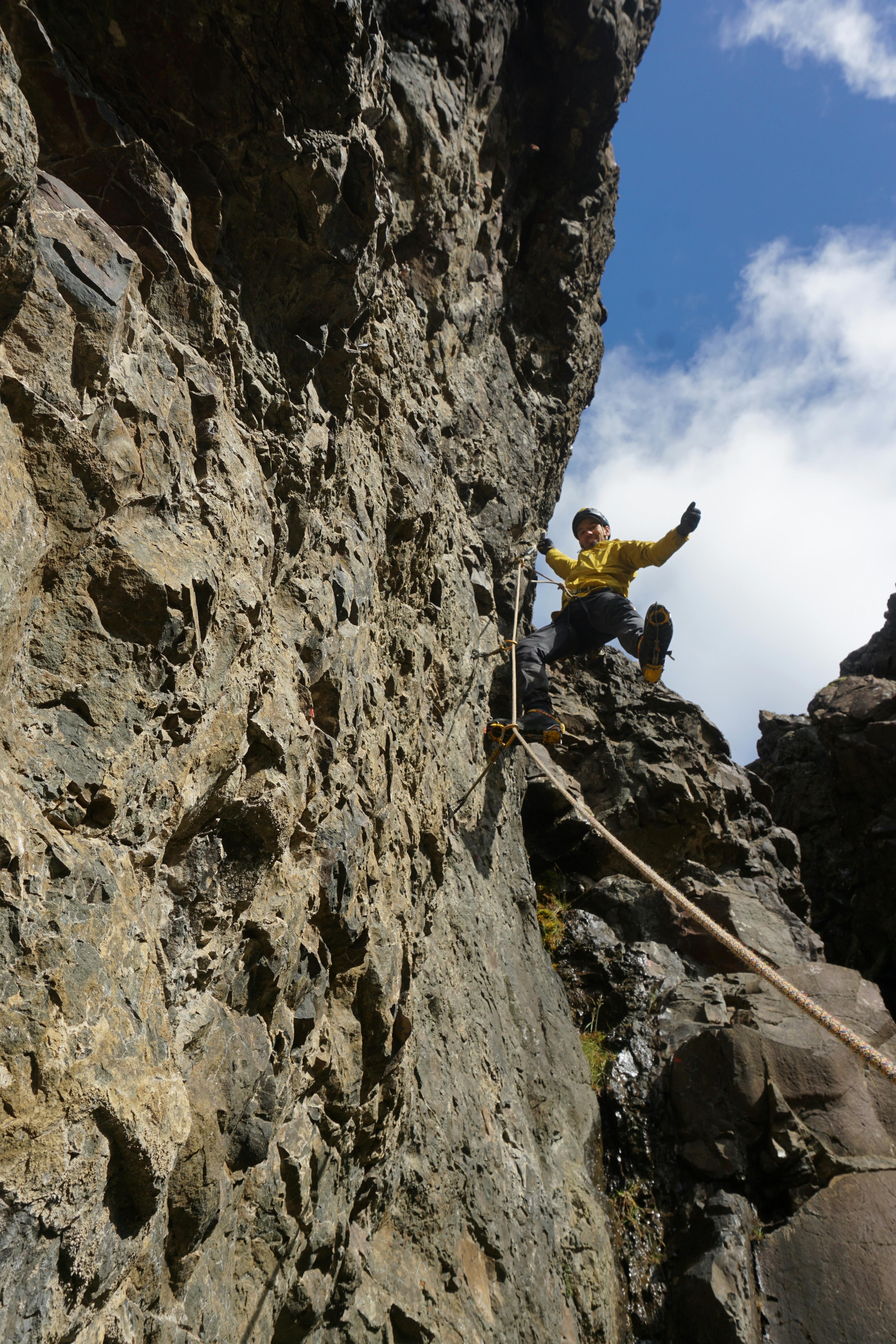
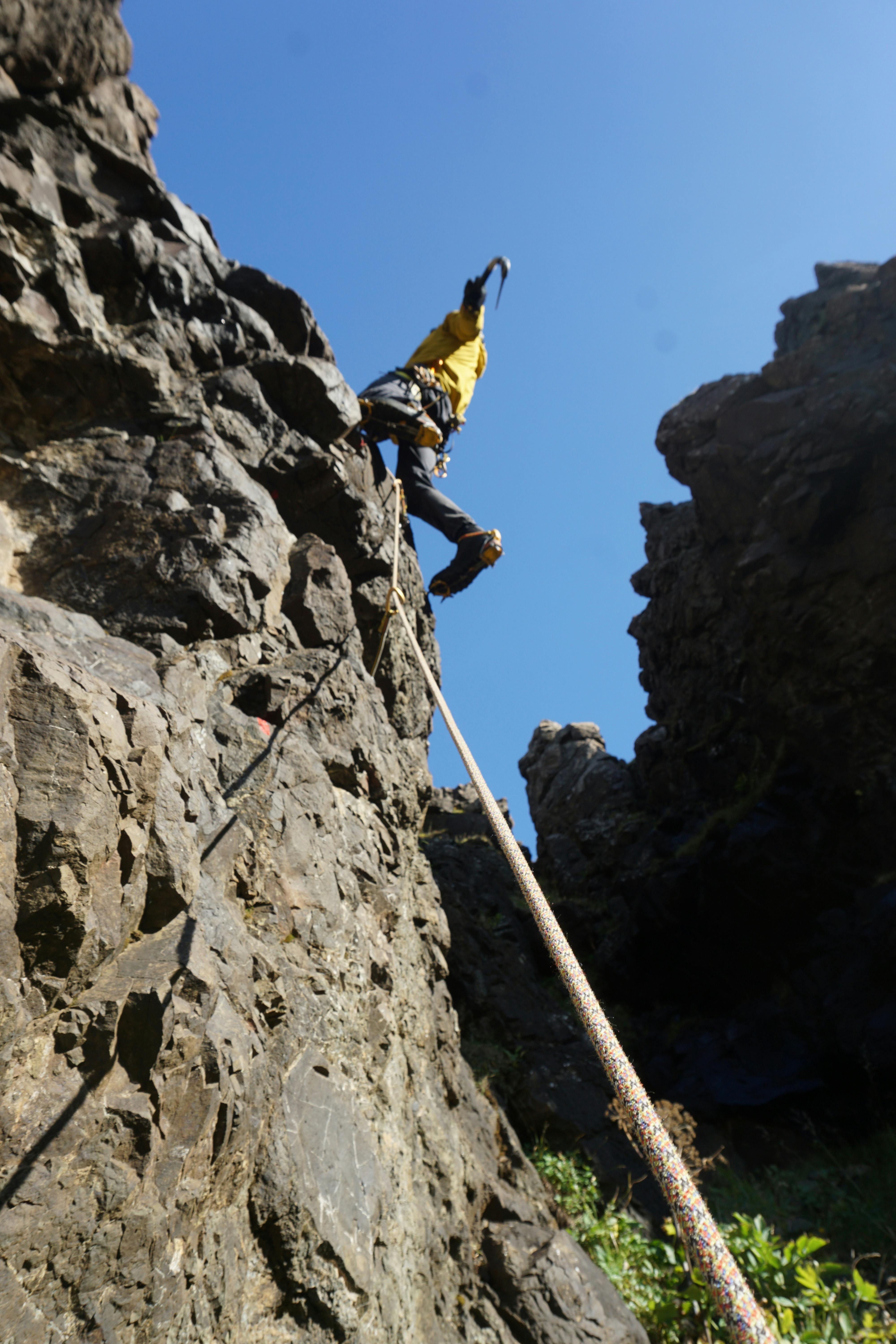
This one-day course is designed to introduce climbers to the exciting world of dry tooling and mixed climbing. Under the guidance of an experienced instructor, you’ll cover the basics of using ice axes and crampons on rock, efficient body positioning, and movement techniques for steep terrain. We’ll also look at safety considerations, equipment use, and how to train for winter climbing. The day combines hands-on coaching with plenty of time to practice on suitable routes, leaving you with the confidence to explore mixed climbing further.
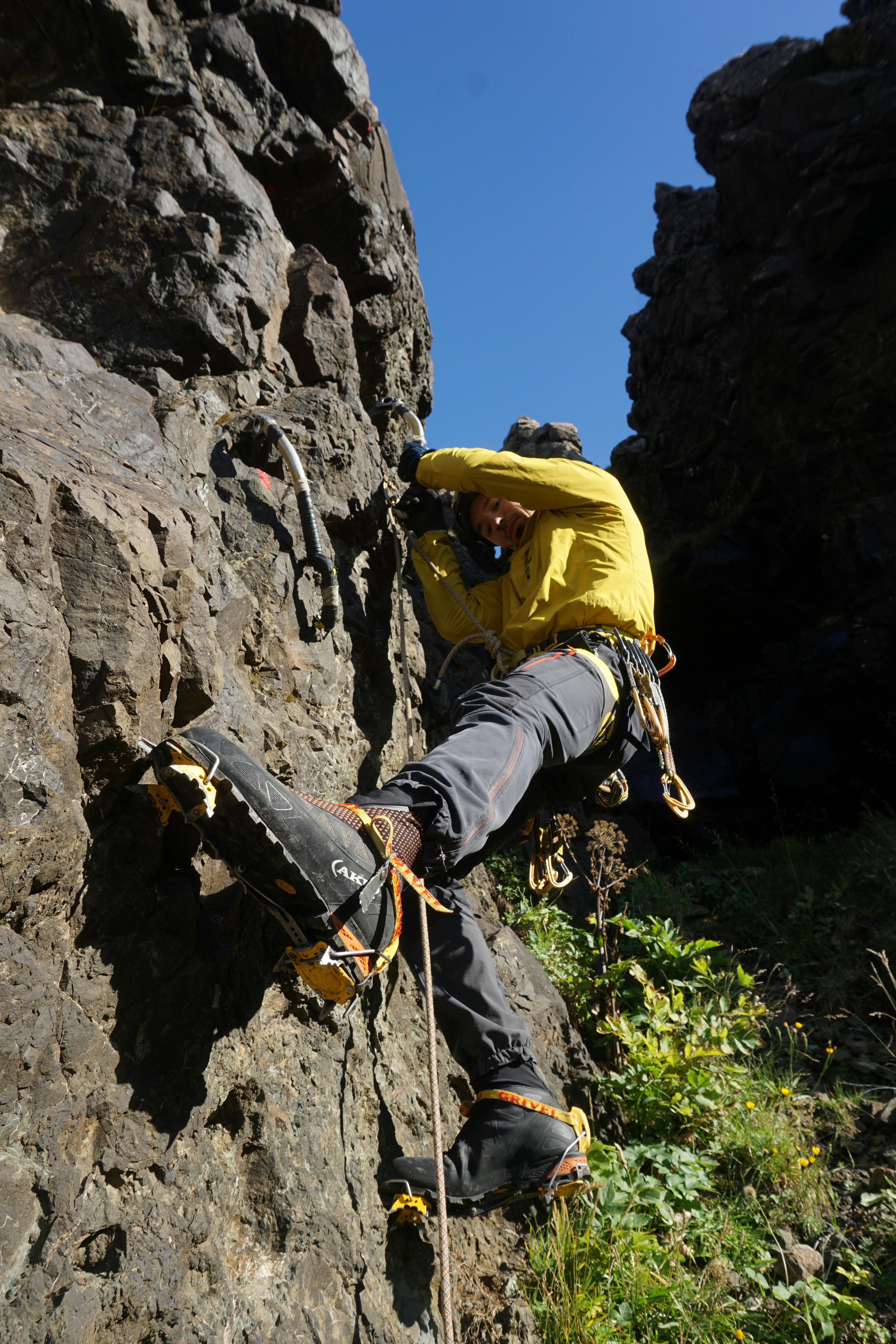
A full-day introduction to dry tooling and mixed climbing, where you’ll learn essential movement skills, techniques, and safety practices for climbing with ice tools on rock and mixed terrain. Perfect for climbers looking to expand into winter and alpine objectives.
This intensive one-day course provides a complete introduction to the fundamentals of dry tooling and mixed climbing — disciplines that bridge the gap between rock climbing and ice climbing, and are essential for modern alpine and winter ascents. Over the course of the day, you’ll develop the core skills needed to move confidently with ice axes and crampons on rock and mixed terrain.
We’ll begin with a focus on equipment setup, tool handling, and movement efficiency, before progressing to climbing techniques such as hooking, torquing, and using crampons effectively on small edges. Safety will be a constant theme, with instruction on managing gear, belaying considerations, and protecting both the climber and the rock.
Through expert coaching and plenty of practice, you’ll finish the course with a solid foundation in dry tooling and mixed climbing techniques, as well as an understanding of how to train and prepare for winter climbing objectives. Whether your goal is to push into harder winter grades, prepare for alpine routes, or simply explore a new climbing discipline, this course will give you the confidence and skills to progress.
Course Structure
1. Presentations: Introduction to Dry tooling and mix climb Basics
The course begins with engaging presentations that cover the fundamentals of Drytooling and mix climb . You’ll learn about the unique challenges of this kind of climbing, how to read rock and ice conditions, and the importance of choosing the right techniques for different terrains. This session sets the stage for a deeper understanding of the sport.
2. Gear Check and Analysis
Understanding and using the correct equipment is critical for dry tooling . This segment focuses on a detailed overview of the gear, including:
- Ice axes and crampons: Their types, features, and usage.
- Harnesses, ropes, and helmets: How to ensure a proper fit and use them effectively.
- trad gear and anchors: Their role in safety and how to inspect them for reliability.
Participants will also learn how to properly care for and maintain their gear, ensuring longevity and performance in challenging environments.
3. Climbing Technique: Axes and Footwork (Theory and Practice)
Mastering the basic techniques is essential for efficient and safe climbing. This section focuses on:
- Proper axe placement: Learn how to drive your axes into the ice with precision and minimal effort.
- Footwork fundamentals: Perfect your crampon technique, ensuring solid footing on vertical rock and ice.
- Body positioning: Understand how to balance and align your body for maximum stability and energy efficiency.
Hands-on practice will take place on varied ice surfaces, allowing participants to build confidence as they perfect their form and technique.
4. Belay Techniques: Top Rope (Theory and Practice)
Safety is the cornerstone of ice climbing, and belaying is a critical skill. This section includes:
- Top rope belaying: Learn how to manage rope slack and ensure a secure belay for your climbing partner.
- Participants will practice the technique in a controlled environment, supervised by experienced instructors to ensure confidence and safety.
5. Gear Placement and Anchor Building
Secure placements and strong anchors are essential for safe climbing. This module teaches you:
- How to choose the best location for gear and how to insert them properly.
- Building anchors: Techniques for creating solid top-rope and multi-point anchor systems.
- Assessing rock and ice quality: Learn how to judge the integrity of ice and select the safest options for placements.
Practice sessions will allow participants to perfect these skills on real ice walls, ensuring you’re prepared for climbing scenarios.
6. Tricks and Tips for Climbers
In this final section, our instructors share their best tips and tricks to make ice climbing more enjoyable and efficient. Topics include:
- Energy conservation techniques for longer climbs.
- Racking the gear: order bring efficiency.
- Troubleshooting common issues.
What You’ll Gain:
By the end of the course, participants will have a strong grasp of ice climbing basics, including:
- Confidence in using and maintaining gear.
- Proficiency in climbing techniques for axes and crampons.
- The ability to belay safely on both top rope and lead climbs.
- Knowledge of proper ice screw placement and anchor building.
- Practical tips to climb efficiently and overcome challenges.
Who Can Join?
This course is perfect for beginners with no prior experience in ice climbing, as well as those looking to refine their foundational skills. A moderate level of fitness is recommended.
What’s Included:
- Professional instruction by certified climbing guides.
- Practical and theoretical session tailored to beginners.
Learn the Art of Ice Climbing
Our Beginner Drytooling Course is the ultimate starting point for anyone eager to embrace this exhilarating sport. With personalized guidance, expert instruction, and plenty of hands-on practice, you’ll leave feeling confident and ready to take on the challenges of ice climbing.
Instructor: Matteo Meucci
Duration: 6-8h
Number of participants: min 2- max 6
Setting of the course: single pitch, top rope
Gear: chance to rent gear from us. Participants need to have stiff boots and good clothes for standing outside in the weather for long time.